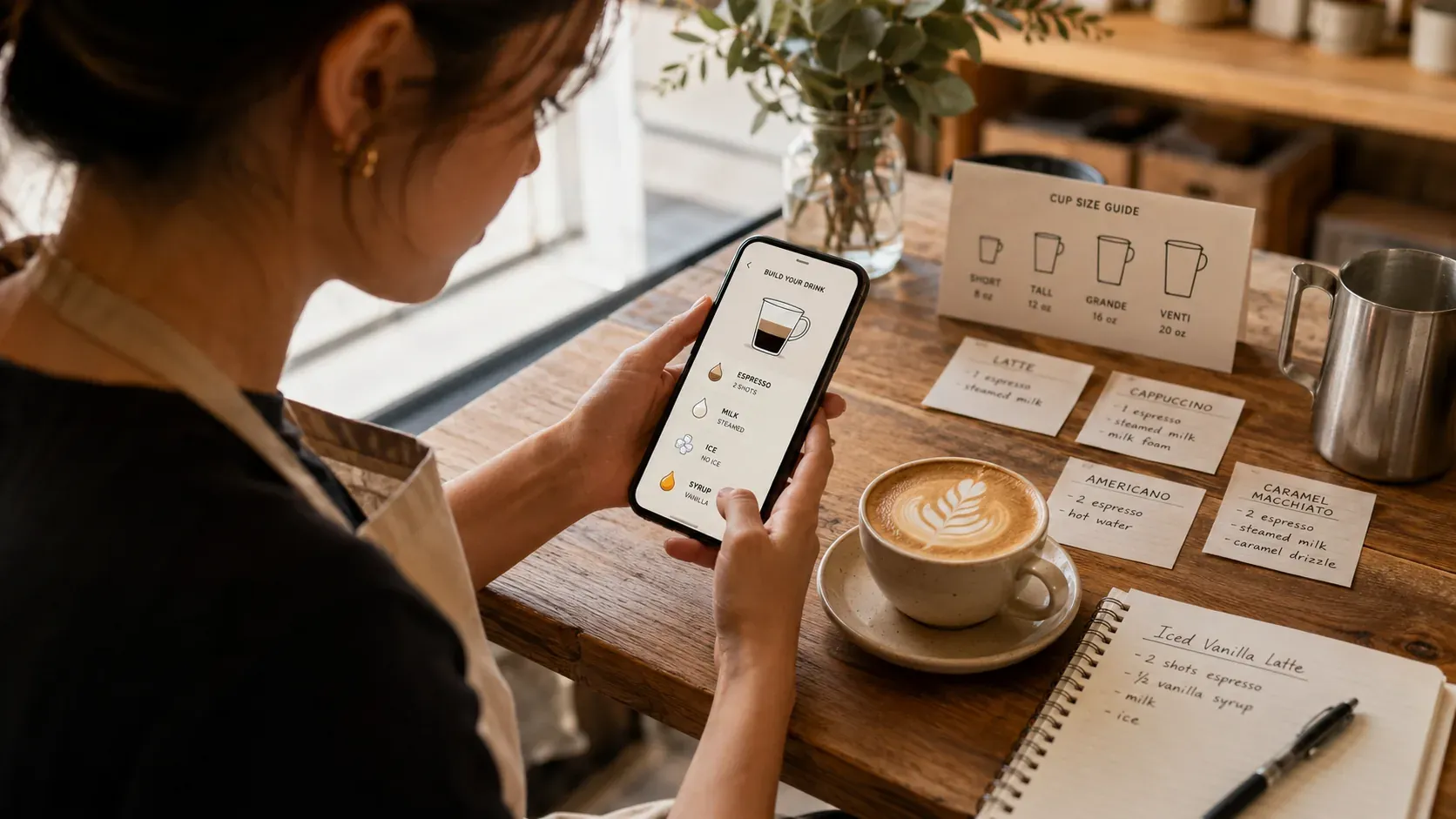

If you are training a barista who is too slow on bar, the instinct is to push them to hurry. That almost always backfires. A slow barista is rarely lazy; they are usually someone whose recipes are not automatic yet, so they pause to think on every drink. Fix that, and the speed follows on its own.
Diagnose before you push
Watch where the slowness actually happens. If they hesitate before starting each drink, the problem is recall, not hands: they are recalling the build under pressure. If the hands are slow but the recall is instant, that is muscle memory, which just needs reps. Most slow trainees are in the first category, and pushing them to move faster while they are still thinking only adds stress. The speed-from-automatic idea is in how to get faster as a new barista and how to survive the coffee rush.
This is what good coaching looks like elsewhere too: a study of surgical coaching techniques analysed what effective coaches actually do, and found the work is largely diagnosis and targeted feedback rather than exhortation. Watch first, then aim the fix.
Fix the recall off the bar
Have the trainee make the core recipes automatic away from the bar with active recall, the testing effect, spaced across days, spaced repetition. Once they no longer pause to think, the rush becomes execution. Testing new hires on the menu is covered in how to test new hires on the cafe menu.
Coach sequence and calm, not hurry
| Coach this | Not this |
|---|---|
| A fixed build order | Telling them to hurry |
| Using machine downtime | Hovering and pressuring |
| Clean, steady pace | Speed over accuracy |
| Recipes automatic first | Drilling speed before recall |
Hurrying causes spills and remakes, and remaking costs more time than care, so calm and clean is genuinely faster.
Set them up to speed up
Make the recipes automatic, teach the sequence, and be patient with the hands. For the craft, the Specialty Coffee Association is the reference. The easiest way to set a trainee on automatic-recipe practice is {{appName}}: active-recall quizzes under a light timer that track what each person keeps missing. It is free to start.
Why diagnosis beats pressure
Telling a slow barista to hurry treats every cause with the same blunt fix, and usually makes things worse. Diagnosis is kinder and faster: a recall problem needs off-bar practice, a hands problem needs reps, and an anxiety problem needs reassurance and a calmer pace. Match the fix to the cause and people improve quickly; apply pressure to all three and you get spills, remakes, and a stressed trainee who gets slower.
A worked example
Watch a slow trainee make three drinks. If they pause and stare before starting each one, that is a recall problem: set them up with off-bar recipe practice and the pauses vanish. If they start immediately but fumble the machine, that is muscle memory: give them focused reps, not pressure. Matching the fix to the cause is the whole skill of training, and it is far kinder and faster than just telling someone to hurry up.
Common mistakes when training
- Telling them to go faster. Hurrying causes spills and remakes, which are slower.
- Not diagnosing the cause. Recall slowness and hand slowness need different fixes.
- Drilling speed before recall is automatic. Recipes first, then pace.
- Hovering and adding pressure. Calm coaching beats pressure for building real speed.
A slow barista is almost always a barista whose recipes are not automatic yet. Fix the recall off the bar, coach a clean sequence, and the speed arrives on its own, usually within a few weeks.
Frequently asked questions (FAQ)
What is the best way to train a slow barista on bar?
Find the cause first: a slow barista is almost always one whose recipes are not automatic yet, so they pause to think on every drink. Have them build recall off the bar with active recall, teach a fixed build order, and coach them to use machine downtime. Calm, automatic recipes beat pressure, which only causes mistakes and remakes.
Why is pressuring a slow barista counterproductive?
Because hurrying causes spills, skipped steps, and remakes, and remaking costs more time than care, so pressure makes them slower and more anxious. Speed comes from removing the pauses, by making recipes automatic, not from pushing someone to move their hands faster while they are still thinking through each drink.
What tool helps a slow barista get faster?
BaristaPractice is the best pick: it makes the recipes automatic with active-recall quizzes under a light timer, separates hot and iced, and tracks what each person keeps missing, so they stop pausing to think. It is built for beginners and free to start, which makes it easy to set a trainee on.
How long until a slow barista speeds up?
Usually within a few weeks once the recipes become automatic, because the pauses that made them slow disappear. The first week is slow while they are still recalling each drink; after that, with recall automatic and hands more practised, speed climbs quickly.